A few years ago in one of my blog posts, I suggested that I had my own personal sword of Damocles, as I did my best to prepare for the passing of my life partner. At the time I identified very much with, and felt for the first time that I truly  understood, the ineffable nuance buried in Beckett’s Waiting for Godot. It has taken literally years for me to look back and give thought to the “wait”– whether things could or should have been done differently, more thoughtfully or better. I waited nearly two years for the moment when I could write about my personal Monday-morning-quarterbacking and first person second-guessing. Today, for not completely inexplicable reasons–that day arrived. As you might surmise from this lead in, “underestimated” best describes my level of emotional preparedness for the loneliness that lie ahead. The impression that as one reaches a certain age you necessarily start to come to terms with the probability of loss, is– misguided. Most startling? How common the really shattering experience of losing a life partner is (50 percent of all partnered couples experience it) is and at the same time, how utterly unprepared one is, for it . After months of reading Cheryl Sandburg’s #optionb and following her #optionb facebook group, I’m fairly certain that we humans have done a poor job of reconciling ourselves to that which is an integral and inescapable part of life.
My student years were filled with the study of philosophy. According to Plato, the best form of government was one ruled by the philosopher, the “philosopher king” he termed it–governing a world guided by a love of wisdom, intelligence, reliability and willingness to live a simple life. Were our world ruled by philosopher kings, no doubt in my mind but that we would be more mindful of Mr. Sagan’s blue dot concept, without having voyage into outer space to embrace it. The philosopher king would cross-fertilize with the scientist, confront the inescapable realities that permeate human existence, and perhaps for the first time, devote thoughtful resources to helping mankind identify and develop better loss-coping mechanisms.
Among the few conclusions I’m willing to publicly share are these two…
1) As inhabitants of this universe, who have managed to rule out the comfort provided by the many deities that previous civilizations relied upon, we need to apply our collective societal intelligence to identify and develop better loss-coping mechanisms.
2) On the positive side, there is one truth that I have found reaffirming–modern civilization’s evolution, anchored in the family construct, offers extraordinary relief, albeit palliative, to intercept the pain of loss in a meaningful way.
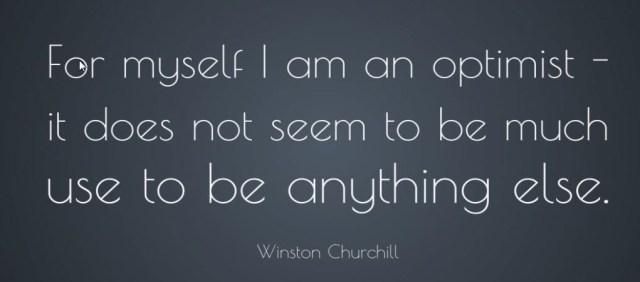
On this not-so-upbeat note you have now reached the part where you google images for “inspiring quotes” and/or, slightly sensing the vacuum, invite me to dinner. As for the inspiration and strength, well I find that Winston Churchill is always a good place to start.








 gets the wisest and most sage among us, leaving only the young –Darwinian masterminding creating a world that sans seniors, becomes a feeding ground for other new viruses that are far less age discriminatory when it comes to hosts. If viruses are in it for the “long game”–it’s a win for the virus.
 We find a way to finagle our favorite words into a paper or review or email or possibly even a text. But have you ever taken the time to identify those words that you manage to inject into any and everything you write? If you’re anything like me, you not only have identified the words, but when editing your works, you need to go through a deduping process to make sure you haven’t become victim to overuse, in which case your audience has or will catch on, and whatever positive impression you wanted to make will garner the opposite response. (Long sentence, 57 words, possibly a record for me.)
 “Strategic” can be in one day, swipe left the next— which was the case for me between 2017 when it made my list, and now. Sometimes I view myself as a trendsetter. But, when everyone else gets on board with my favorite lexicon, as Mr Wonderful likes to say on Shark Tank, “I’m out” and swipe left, the word is banished from my vocabulary.
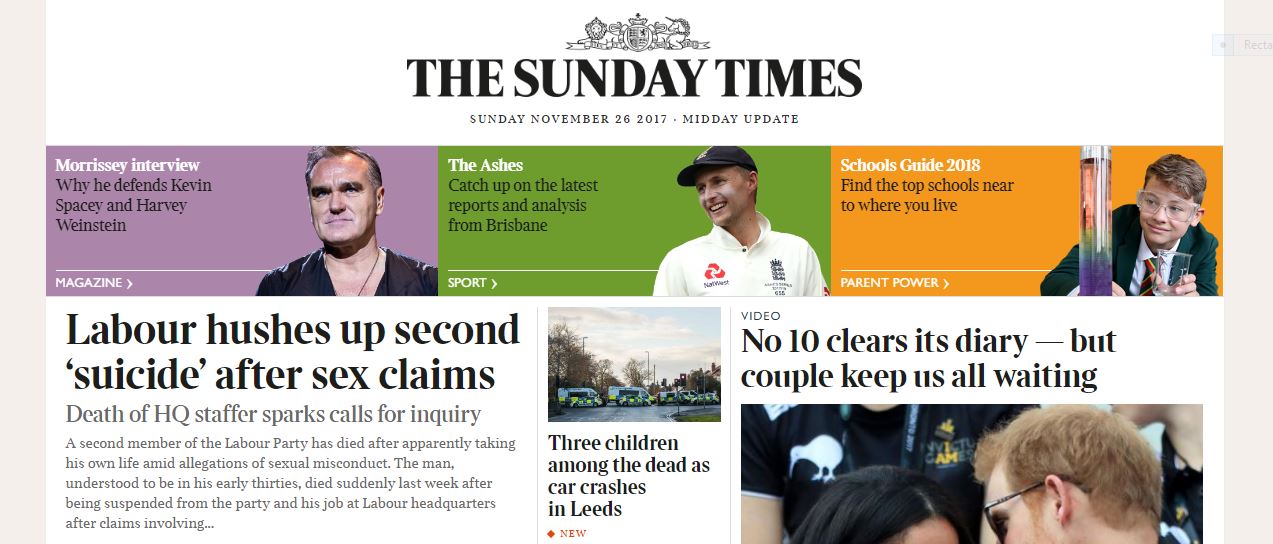 This morning’s London Times greeted us with news of a second political suicide, (literally not metaphorically) in the United Kingdom after a labour party leader’s transgressions with pornography were revealed. Rather than face the tsunami of publicity now surrounding personal and morally repugnant deviance, he chose to end his life.
 trial. Caveat Emptor…the distance traveled from accusation to guilt-by-public-opinion, in cases where other moral issues are at play (like say ideologies or religious beliefs) can become alarmingly short.
 Through the rear view mirror...